
A 50-Inch Fire TV Without the Guesswork
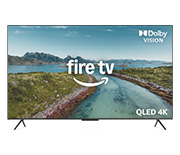
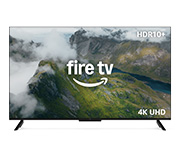
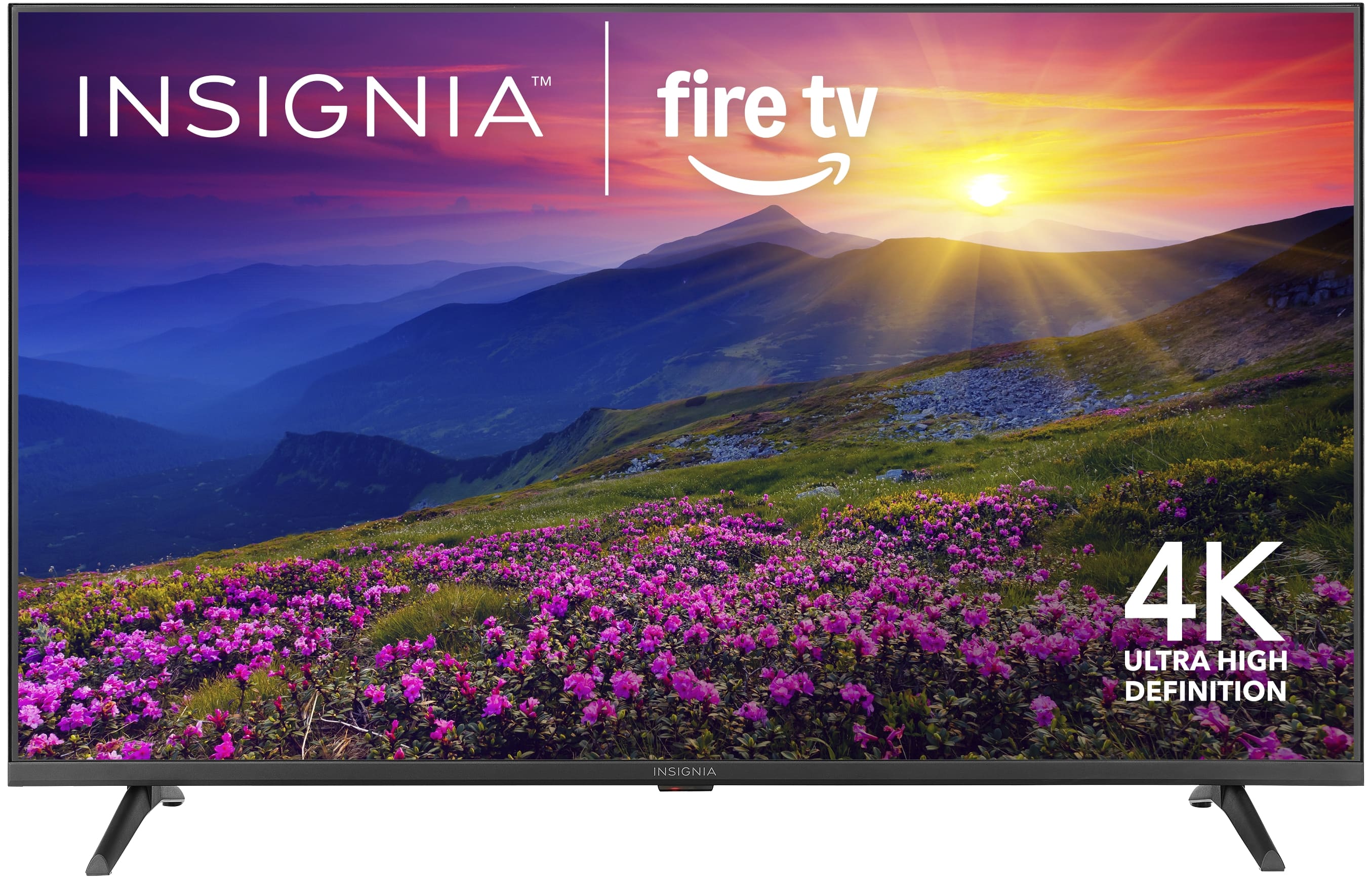
These three televisions combine a 50-inch screen with Fire TV built in. Our overall choice is Amazon Ember QLED for its broader picture-format support and hands-free voice control. Ember 4-Series is the lower-priced alternative within Amazon's current TV range, and Insignia F50 is the budget choice. We verified exact Amazon listings, read visible owner reviews and matched each pick to a verified manufacturer or brand-owner image. This comparison draws on exact listings and owner reports.
Best Overall: Amazon Ember QLED
The QLED earns its place through a clear feature advantage: Dolby Vision, HDR10+ Adaptive and hands-free Alexa. Four HDMI connections also help when a household has a console, soundbar and other equipment. Several owners reviewing the 50-inch version praised its picture and sound, while another liked the Alexa integration.
There is a meaningful downside. One exact-size owner described occasional playback interruptions and needing repeated button presses. A larger-size reviewer reported app stuttering but later updated the account to say support guidance resolved it. We keep that correction attached to the complaint instead of presenting it as a continuing fault.
The screen is 60 Hz. It is not our recommendation for someone specifically shopping for high-refresh gaming, and we do not import local-dimming claims from a different size or older generation. The overall award here means the strongest feature set among these three eligible picks, not the best television across all of Amazon.
Best Value: Amazon Ember 4-Series
The 4-Series keeps four HDMI ports, Wi-Fi 6 and built-in Fire TV while costing less than QLED in the offers checked. Two exact-size owners described responsive apps. One particularly liked replacing a separate streaming stick and reducing remote clutter. For someone buying into Amazon's newer TV platform, those are useful benefits without paying for every QLED feature.
Its value case is conditional. If the QLED price gets close, its Dolby Vision and hands-free controls may justify the difference. If your priority is simply the cheapest satisfactory picture, the Insignia is the stronger low-cost contender. We would not pay a large premium for the Amazon name alone.
The review sample contained only two 50-inch accounts. A 43-inch buyer reported headphone-related playback trouble, and a 55-inch buyer disliked the picture from the side. Those accounts suggest tests to perform at home; they do not establish faults in this size.
Best Budget: Insignia F50
The Insignia was materially less expensive than both Ember models in the inspected offers. Several 50-inch owners praised its picture for the money and found setup straightforward. That makes it a reasonable starting point for a bedroom or a room where the television gets occasional use.
Some exact-size accounts also describe sluggish apps or remote, update and playback problems. Try your normal services during the return window rather than assuming the first successful startup settles everything. Paying less is useful only if the everyday experience works for you.
Why the QLED Leads—and When to Choose Something Else
Its broader HDR support and hands-free operation give it the clearest upgrade story. They do not erase the software complaints or prove better reliability. Choose 4-Series when the price gap is worthwhile and those extras do not matter; choose Insignia when keeping the bill low matters most.
Questions Before You Buy
Will it fit my furniture? Check feet spacing, not just screen diagonal.
Does Fire TV include every show? Streaming services can still require subscriptions.
Will my headphones or soundbar work smoothly? Verify connections and test your own equipment.
Can another-size review predict this screen's picture? It can suggest a question, but it cannot establish exact-size performance.
We read eight visible review excerpts per finalist. The Ember QLED sample included five 50-inch accounts, the 4-Series two, and the Insignia seven size-labeled accounts with one mixed-size narrative. Amazon chooses the visible sample. These observations support practical recommendations, not an invented satisfaction percentage or a guaranteed 9-plus score.